Bachelor in instrumental/vocal pedagogy

RésoNAnces is accredited to deliver the diploma

Become music teacher

Presentation


Program

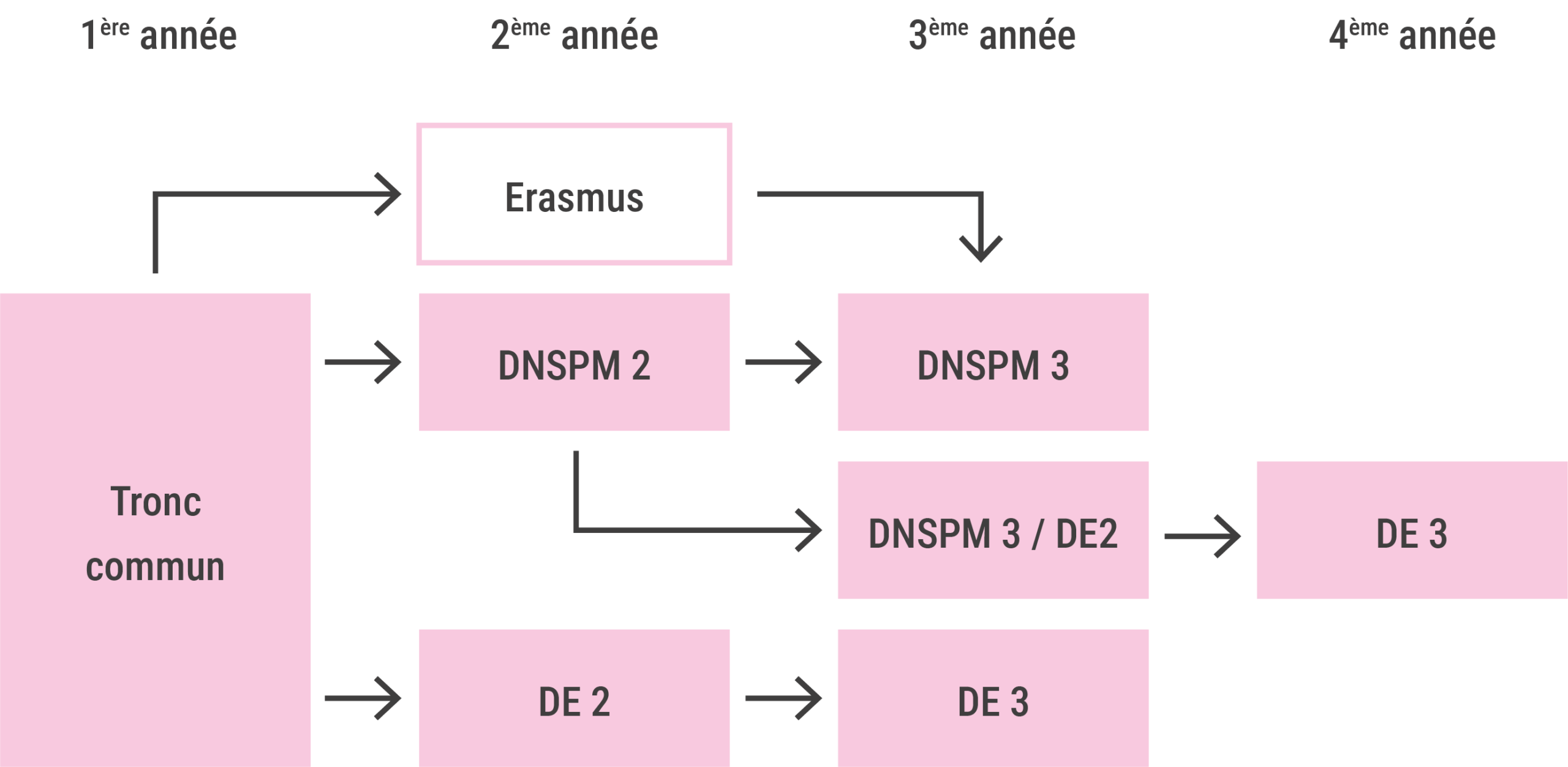
Since june 2026, the diploma is level 6 and equivalent to bachelor level. It is organized in 6 semesters, with a first common year of core programs bachelor in music performance and bachelor in instrumental/vocal pedagogy. The program is 3 years of higher education and validation of 180 ECTS.
French certification codes :
Code RNCP : 39705
Date d’enregistrement de la certification : 02-02-1983
Certificateur : ministère de la Culture

Profession and suggested paths

The pedagogical path opens the possibility to teaching positions in conservatoires, associative and community music schools. It offers the instrumental pedagogy training but also innovative collective and group pedagogies.

Organization and duration

Skills for professional integration : musician, several professional possibilities
Pedagogical curricula targets adaptation to the actual reality of music teaching and holds multiple competences, essentials to professional integration. First year of training, common to both programs of performer and teacher, proposes workshops to raise awareness on knowledge transmission, mediation, and group-based teaching methods, to equip every student with tools for the next step of their journey.

The program also provides preparation for French public service admissions and competences for mediation and pedagogical projects coordination.
parcours-etudes-musique
Je candidate

Curricula

5 teaching units are structuring the program, linked to the French legal work reference frame. Details of teaching units are avilable in the program outline.

UE1 : Artistic practice


Contents

Artistic practice unit helps the student to build and confirm an autonomous personal musical and artistical process. Main instrument courses and collective practice courses strenghtens students in their dominant esthetic and broadens it further (repertoires, instrumental competences, tools).

UE2 : Artistic culture


Contents

Artistic culture unit strenghtens artistical and cultural knowledge. It improves student’s awareness with the actual artistical practice an develops its sensitivity towards other arts and musical esthetics.

UE3 : Pedagogical practice


Contents

It prepares student to deliver a self conscious and quality based teaching in the best condition on its specific area, towards pupils in both first cycles and third cycles. The contents are also integrating tools to upgrade and evolve its teaching method.

UE4 : Pedagogical culture


Contents

This teaching unit gives students knowledge and XX in educational sciences, psychology and sociology, operational skills to ensure a good knowledge of the profession.

UE5 : Professional environment


Contents

Professional environment ensures a global view of contemporary main issues and challenges of the music school in France ; it facilitates professional integration within specialised teaching.

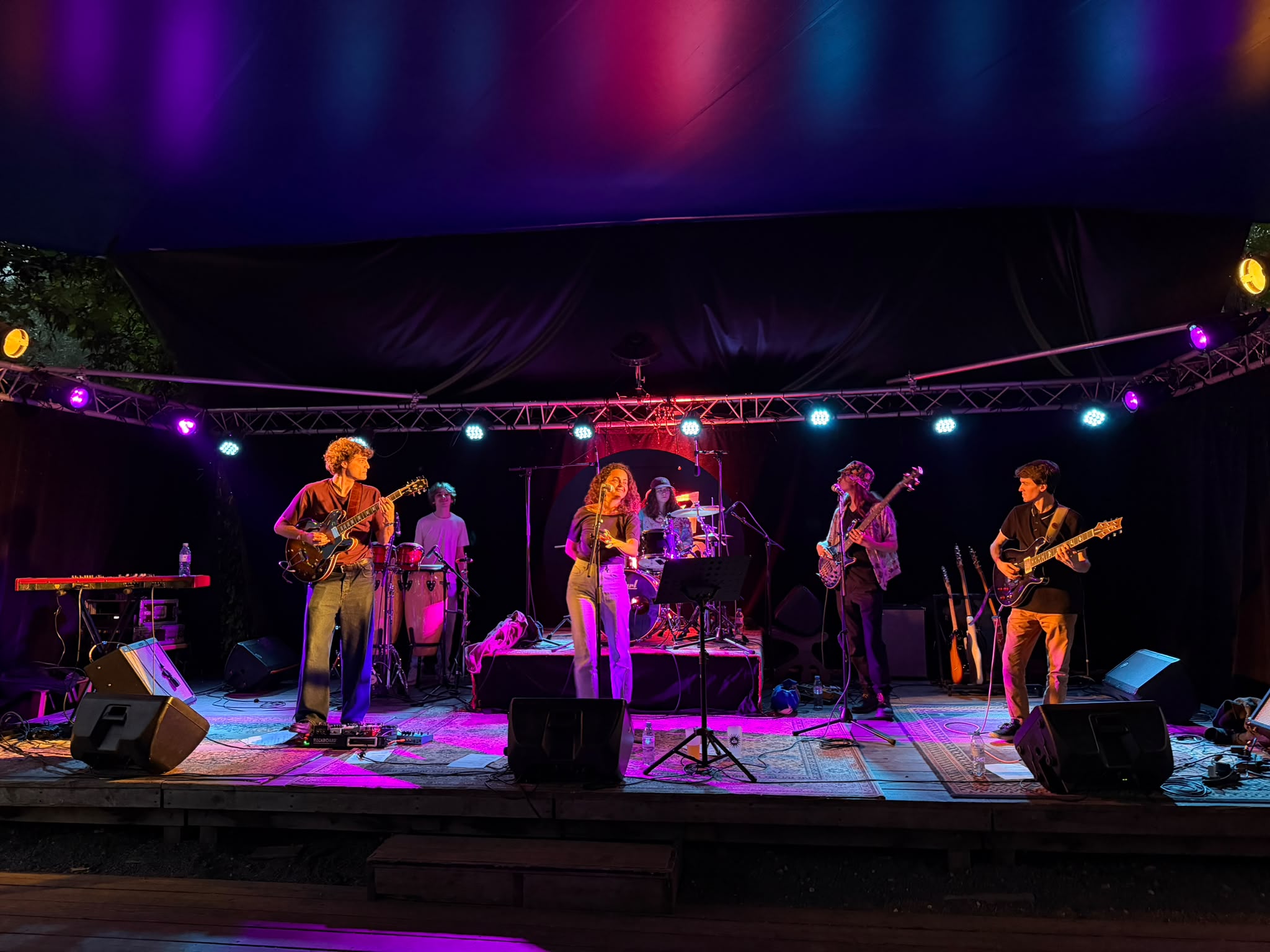
Pedagogical contents are structured from relevant projects and partnerships

Artistical and pedagogical partnerships

To be written.


Highlights

Pedagogy magistral courses, guidance in educational sciences, psychology and sociology, pedagogical tutoring,…are the knwoledge and operational base for students ; ensuring that they are able to deliver quality education in their specialty for pupils in the first two cycles and the third cycle, to build their tools, and to be able to analyze and develop their pedagogical practices regarding the diversity of contexts, audiences and missions of the music teacher.

In every study field, each student receives individual lessons of his instrument over the three years of his training, giving an important place to the improvement of his instrument or his specialty and an opening on repertoires. 

The instrumental teaching teams are made up of qualified teachers, all of whom are enrolled in artistic careers offering a real professionalizing dynamic. Master-classes are organized every semester with guest artists and are an integral part of the training. The place of collective, directed and undirected practice is also at the heart of training courses with a pedagogical organization structured by department, weekly or in sessions during the training.

RésoNAnces aims to train performing artists who are open to the world, curious, able to interact with other arts, to put their instrumental practice into perspective and make connections with other artistic practices (cinema, live performance…). The presence of dance training courses makes it possible to develop a specific area of training with awareness of different bodily disciplines that enrich teaching skills.

Applicants can apply to two differents specialities (eg. instrument and general music education) to follow a pathway leading to two diplomas of instrumental/vocal pedagogy within the span of 3 years. Students admitted to the entrance exam in two different specialities starts the second speciality one year after the first one. Therefore, pedagogical contents are reorganized.

Avdice for applicants : to check the feasability regarding your study department, please expose your project by email, precising your aesthetic field, instrument and contacts.

Studying abroad for part of your degree program through the Erasmus+ program is a transformative experience that allows you to improve your proficiency in a foreign language and discover a foreign repertoire as well as a different educational and artistic culture.

Pedagogical team

This section is currently being updated.

More

Candidates who hold a baccalaureate or a French or foreign diploma (recognized as equivalent or exempt from the requirement) may take the entrance exam if they:

  • Either can demonstrate that they have completed a program preparing them for admission to higher education institutions in the field of artistic creation, specializing in music, offered by an institution authorized to provide such training;
  • Or hold the national diploma provided for in Article L. 216-2 of the French Education Code, or a national diploma in professional orientation for musicians (DNOP), or a diploma in musical studies (DEM), or a foreign diploma of equivalent level.

Candidates who do not meet the above requirements may, following the recommendation of an application review committee, obtain a waiver from the institution’s administration allowing them to take the entrance exam.

In this case, it is particularly important to provide precise details and supporting documentation regarding the applicant’s education and experience.

Training programs are accessible through initial training, apprenticeship, continuous professional training, and the recognition of prior learning (Validation des Acquis de l’Expérience).

Initial training is intended for individuals who have never interrupted their studies, whilst continuous professional training is meant for individuals who have completed a course of study, have entered the workforce, and wish to resume their studies. These two categories result in different funding for the training but do not alter the content or organization of the curriculum.

Know more about ways of access

For the 1st year (tronc commun) : 300€.

For the bachelor in music performance and the bachelor in instrumental/vocal pedagogy :  

  • tuition for one program : 300€ 
  • tuition for both programs : 500€

Students receiving scholarships are exempt from tuition, but must pay the registration fees.
Erasmus+ students don’t pay tuition fees but registration fees : 130€

Graduation rates :

  • In 2020, the DNSPM pass rate was 92%.
  • In 2021, it was 93%.
  • In 2022, the rate was 100%.
  • In 2023, the pass rate was 70%.
  • In 2024, it was 77%.
  • In 2025, the DNSPM pass rate was 95%.

Professional integration :
RésoNAnces leads surveys of its graduates to track their transition into the workforce. What are they doing now? How many are continuing their studies? How many are employed? What kind of positions do they hold? What challenges do they face? How satisfied are they with the program they completed? View the results of the surveys conducted among graduates for both bachelors :

-9 months after graduation:

Any person with a disability may request adjustments to their training course to compensate for the disability if it hinders their ability to complete the training (see Article L. 5211-2 et seq. of the French Labour Code). Please contact the disability coordinators: Catherine Barbosa ou Caroline Follana.

For further informations about the bachelor in music performance, contact the music department.